


This is confirmed by a study published in the journal Epidemiology and Infection, with the participation of researchers from IRTA-CReSA, that described the temporal dynamics of this disease.
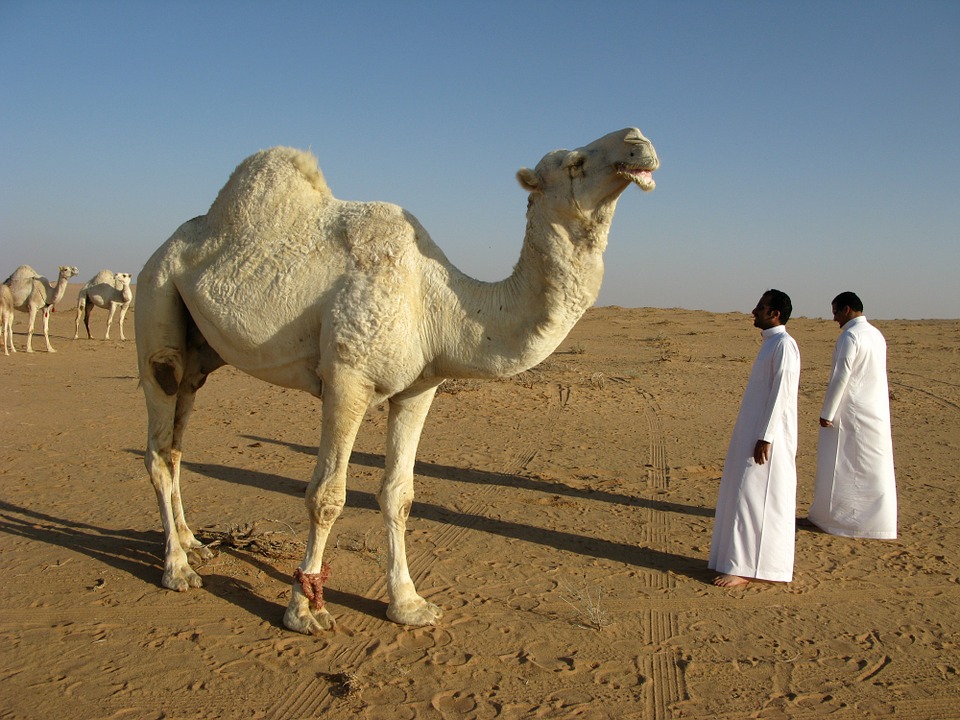
The study evaluates the progression of the epidemic from 2012 to 2017, quantifying the number of secondary cases derived from an infected case over time. In some regions such as the Eastern Province the period of more infections coincides with the periods in which there is more activity related to camels and camels.
According to the model of the temporary pattern that follows the MERS-CoV epidemic in the three most affected regions of Saudi Arabia (the eastern province, Riyadh and Makkah), in regions such as the city of Riyadh, epidemics occurred twice a year, coinciding with the periods in which there is a peak of activities with camels and dromedaries, such as breeding, commerce and transportation. In contrast, in the regions of the eastern province and in Makkah, cases were produced with an endemic pattern with sporadic outbreaks. This study provides new insights about MERS-CoV epidemic progression and evidences for seasonality. Despite the inherent limitations of the available data, this work can provide further guidance to currently implement risk-based surveillance in high-risk populations and, subsequently, improve related interventions strategies against the epidemic at country and regional levels.