


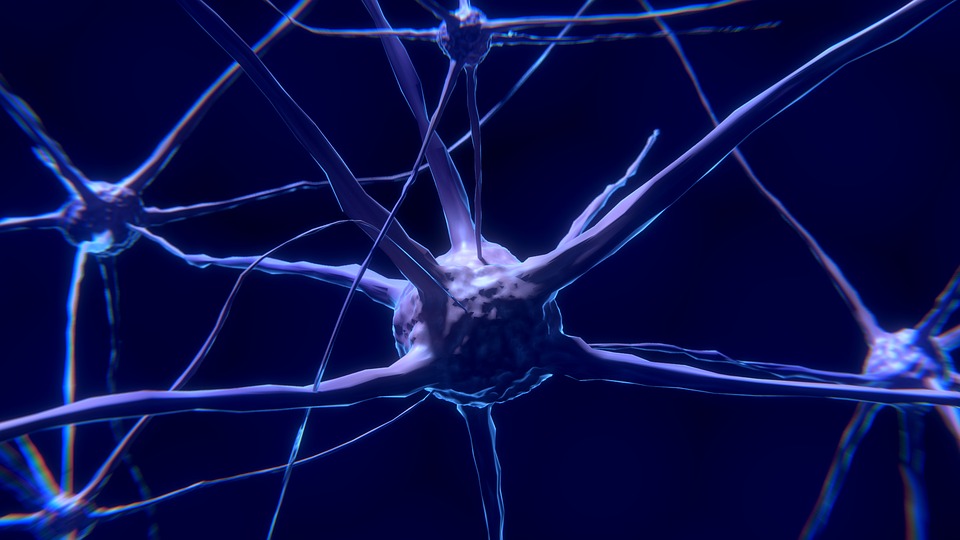
A scientific team from IDIBELL and CIBERNED, with the collaboration of IRTA-CReSA, demonstrates for the first time that neurogranin is a very reliable biomarker of diseases caused by prions in humans. This protein is found in neurons and it can be easily detected in the cerebrospinal fluid of patients in life.
Creutzfeldt Jakob sporadic disease in humans is a deadly prion disease of which the cause is unknown and without treatment. It is very similar to the disease transmitted by the prions responsible for mad cow disease, also known as the CJD variant. The challenge has always been to diagnose prion diseases when an animal or a person suffers them, since at the moment the diagnosis is made when the patient is dead.
Recently, a study published in the Journal of Neurology, Neurosurgery & Psychiatry shows that in patients suffering from prion diseases high levels of neurogranin are detected in the cerebrospinal fluid. So far, some studies have already shown that patients with neurodegenerative diseases such as Alzheimer’s have higher levels of this protein in the cerebrospinal fluid. People who suffer from the sporadic Creutzfeldt Jakob disease happen the same but more exaggerated.
The work has been led by researchers from the Center for Biomedical Research in the Neurodegenerative Diseases Network (CIBERNED) of the Institute of Health Carlos III, the Institute of Biomedical Research of Bellvitge (IDIBELL) and the UMG-Göttingen of Germany, with the participation of the PRIOCAT laboratory of the Center for Research in Animal Health (IRTA-CReSA). Some phases of this study have been carried out in the biosafety level prion laboratory 3, located in the facilities of the Center for Research in Animal Health (IRTA-CReSA). PRIOCAT is the only laboratory in Catalonia that works with animal prions and maintains an agreement with CIBERNED to carry out experiments with these highly pathogenic agents also in samples obtained from human patients.